


Ruinart
Ruinart Blanc de Blancs - 75CL
Ruinart Blanc de Blancs - 75CL
Regular price
$121.00 SGD
Sale price
$121.00 SGD
Regular price
Unit price
per
Exclusively made from chardonnay, the signature grape variety of the Maison, Ruinart Blanc de Blancs is a delicate wine balancing freshness and roundness.
THE ICONIC RUINART TASTE
This blend brings together a balance of fresheness and roundness, with each selected terroir chosen for the uniqueness of its chardonnays contributing to the complexity of the blend.
CÉPAGES GRAPE VARIETIES & TERROIRS
Ruinart Blanc de Blancs includes some 25–30 different chardonnay crus, predominantly from the Côte des Blancs, the Montagne de Reims, the Sézannais and La Vallée de la Vesle. They reflect the rich diversity of the Champagne terroir.
How to enjoy
How to enjoy

Service temperature - 10-12°C

Storage advice - Store horizontally in a cool (10-15°C), dark place, and away from vibrations

Closure - Cork

Alcohol by volume - 12.5%
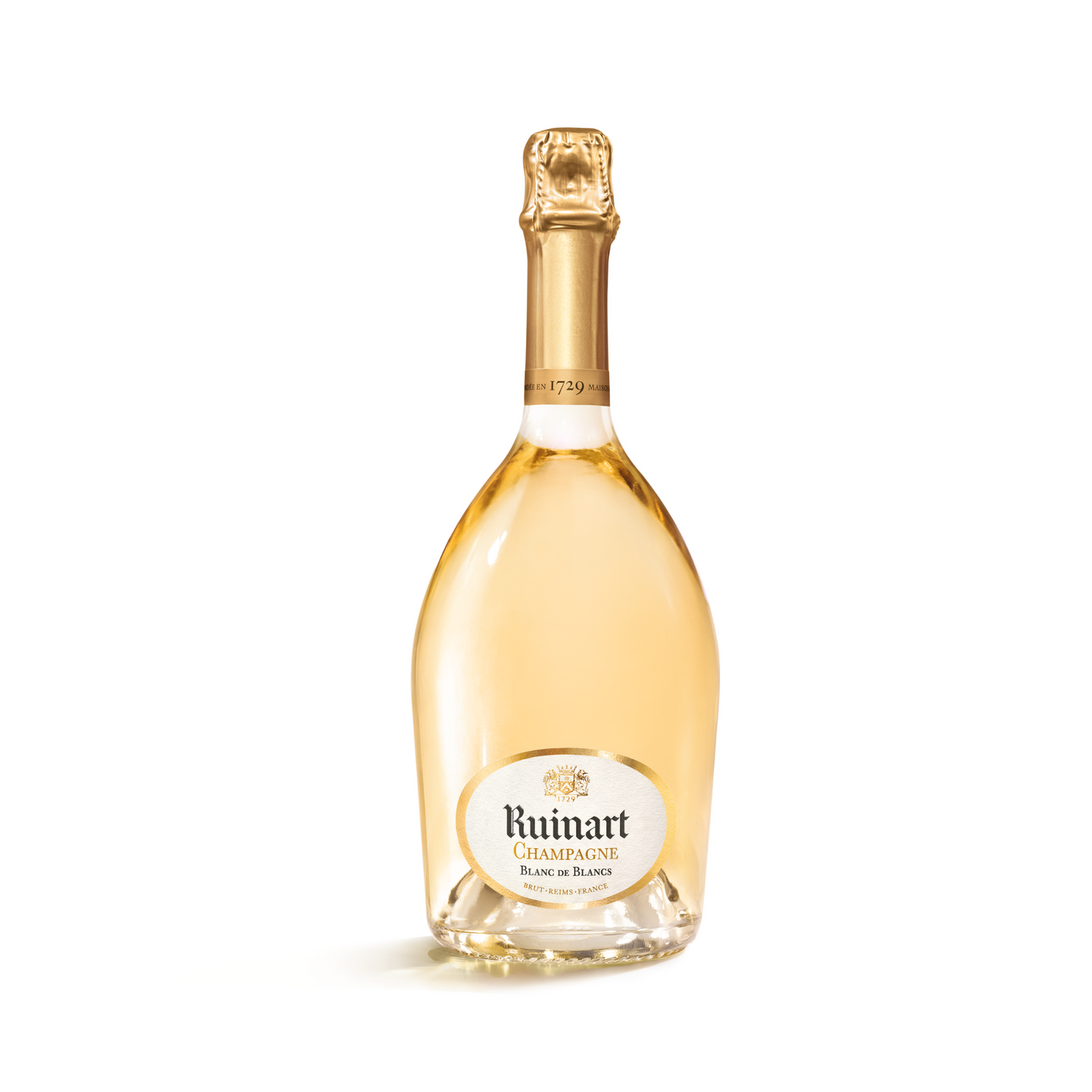
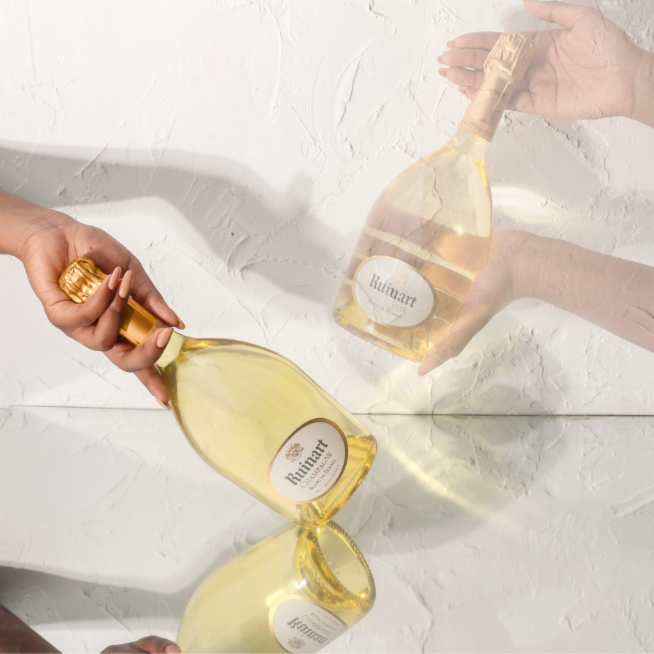
Ruinart Blanc de Blancs - 75CL
Regular price
$121.00 SGD
Sale price
$121.00 SGD
Regular price
Unit price
per
Single bottle - 75cl - Bottle only